If you are weighing artificial grass versus natural grass for your Pickering yard, you deserve an honest comparison rather than a sales pitch. Both have a place, and the right answer depends on how you use your space, how much time you want to spend maintaining it, and how our local climate treats each option. This guide from the Artificial Grass Pickering installers lays out water use, upkeep, cost over time, and the trade-offs specific to Durham Region.
Which is better for Pickering's climate?
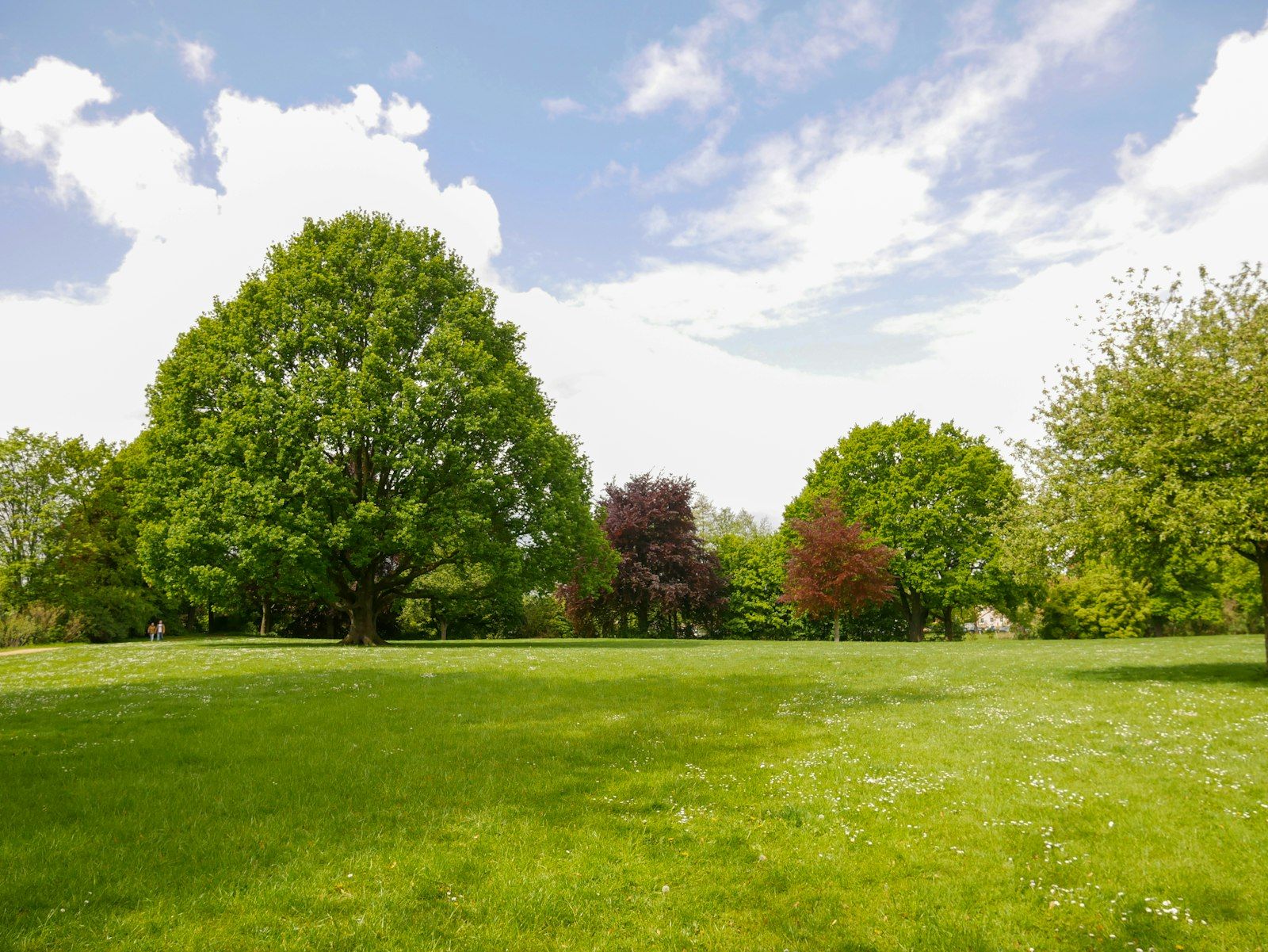
For year-round appearance with low effort, artificial grass has the edge in Pickering's climate, while natural grass still wins on soil ecology and summer coolness. Pickering sits on the north shore of Lake Ontario in plant hardiness zone 5b to 6a. We get humid summers, lake-effect snow in winter, and repeated freeze-thaw swings in early spring. Natural turf goes dormant and browns during a dry July, then struggles again when meltwater and frost heave the ground in March. Artificial grass keeps its colour through all of it, though it does absorb more heat on the hottest afternoons.
Water use and Durham Region summers
Artificial grass uses no irrigation, while a natural lawn in Pickering can drink a large share of your summer water bill. A typical lawn needs about 2.5 centimetres of water a week to stay green through July and August. Over a summer that adds up quickly, especially in newer Seaton and Duffin Heights subdivisions where young sod needs frequent watering to establish. Synthetic turf needs only the occasional rinse, which matters in a region that sometimes sees dry-summer advisories.
Maintenance: time and money
Natural grass
A real lawn means weekly mowing from May to October, plus fertilizer, aeration, overseeding, weed control, and spring and fall cleanup. Many Pickering homeowners spend $800 to $1,200 a year and a good chunk of their weekends keeping it presentable.
Artificial grass
Synthetic turf drops that to a light routine: brushing the fibres occasionally, rinsing off dust, and clearing leaves. There is no mowing, no watering schedule, and no mud tracked through the back door after a rainy week near Frenchman's Bay.
Cost over time
Natural grass is cheaper to install and more expensive to keep. Artificial grass is the reverse: higher upfront, then close to nothing. Installed turf in Pickering runs about $10 to $25 per square foot depending on grade and site prep. Sod costs a fraction of that to lay, but the yearly care adds up, and most lawns need patching or reseeding every few seasons. Over an eight to ten year window the two often even out, and beyond that turf tends to pull ahead. You can see how this plays out for different spaces across our Pickering service areas.
Where natural grass still makes sense
Artificial grass is not the answer for everyone. If you garden heavily, value the cooling effect of a living lawn on a large lot, or want to support pollinators and soil life, natural turf has real advantages. Big rural properties in Claremont or Greenwood, where the lawn blends into fields and forest, are often better left natural. The honest position is that turf shines on small to mid-size urban and suburban lots where maintenance and year-round looks matter most.
Where artificial grass wins in Pickering
- Shady yards where grass never fills in, common under the mature trees of Rougemount and Dunbarton.
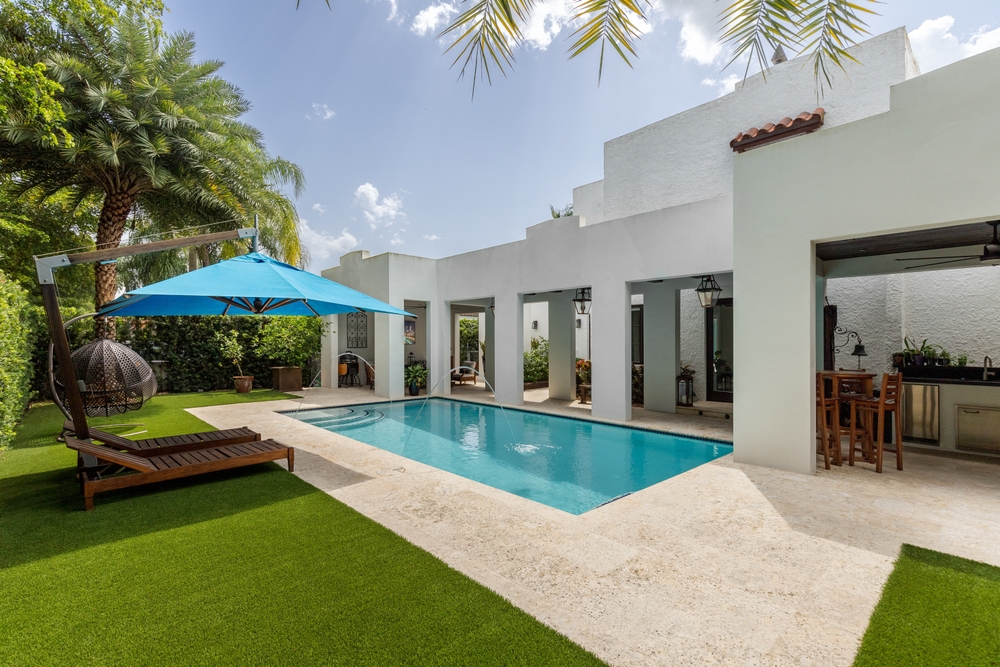
- High-traffic areas and pet zones that turn to mud, where our backyard turf holds up all season.
- Tight townhouse and condo courtyards in West Shore and Village East that are awkward to mow.
- Slopes and drainage-prone spots where sod washes out during heavy spring melt.
Appearance and feel
Modern artificial grass has come a long way from the flat, plastic mats people remember. Today's better products blend several shades of green with tan and brown thatch at the base, so the lawn reads as natural from the street and up close. The feel underfoot is soft rather than stiff, and a good installer sets the fibres to stand upright with the right infill. In practice, most visitors to a well-installed Amberlea or Liverpool backyard do not realize the lawn is synthetic until they are told. Natural grass still has an unmistakable living texture and scent, and for some homeowners that counts for a lot. The gap in appearance, though, is far smaller than it used to be, and it closes further with premium turf.
Frequently asked questions
Does artificial grass get too hot in Pickering summers?
It runs warmer than natural grass on a sunny afternoon, but Pickering's lake breezes and generally moderate summer temperatures keep it comfortable most days. A quick rinse cools it fast, and lighter-coloured infill helps.
Is natural grass more environmentally friendly?
It supports soil life and pollinators, which turf does not. On the other side, artificial grass eliminates gas mowing, watering, and fertilizer runoff into Frenchman's Bay and Duffins Creek. The greener choice depends on which trade-offs matter most to you.
Will artificial grass increase my home value?
A clean, well-installed lawn adds curb appeal, and many Durham Region buyers see low-maintenance turf as a plus. Quality of installation matters more than the turf itself, so the base work should be done right.
Talk to a local team
Not sure which way to go for your yard? We are happy to walk your property, talk through both options honestly, and give you a free estimate either way. Call (289) 277-0119 or reach us through the contact page.