Every Durham Region homeowner asks the same fair question before switching: does artificial grass survive Ontario winters? In Pickering, where lake-effect snow, hard frost, and constant freeze-thaw all show up between December and March, it is exactly the right thing to ask. The short version is that quality artificial grass handles our winters well, and often better than natural sod. Here is how it behaves in the cold, explained by the Artificial Grass Pickering team.
Does artificial grass survive Ontario winters?
Yes. Artificial grass is built to survive Ontario winters, including the snow, frost, and freeze-thaw cycles Pickering sees each year. The fibres and backing are engineered to stay flexible in the cold, and the free-draining stone base underneath lets meltwater escape instead of freezing solid against the surface. Snow sits on top, melts, and drains away, and the grass returns to shape once it thaws. There is no dormancy and no browning, so the lawn stays green under and after the snow.
What happens to the turf under snow?
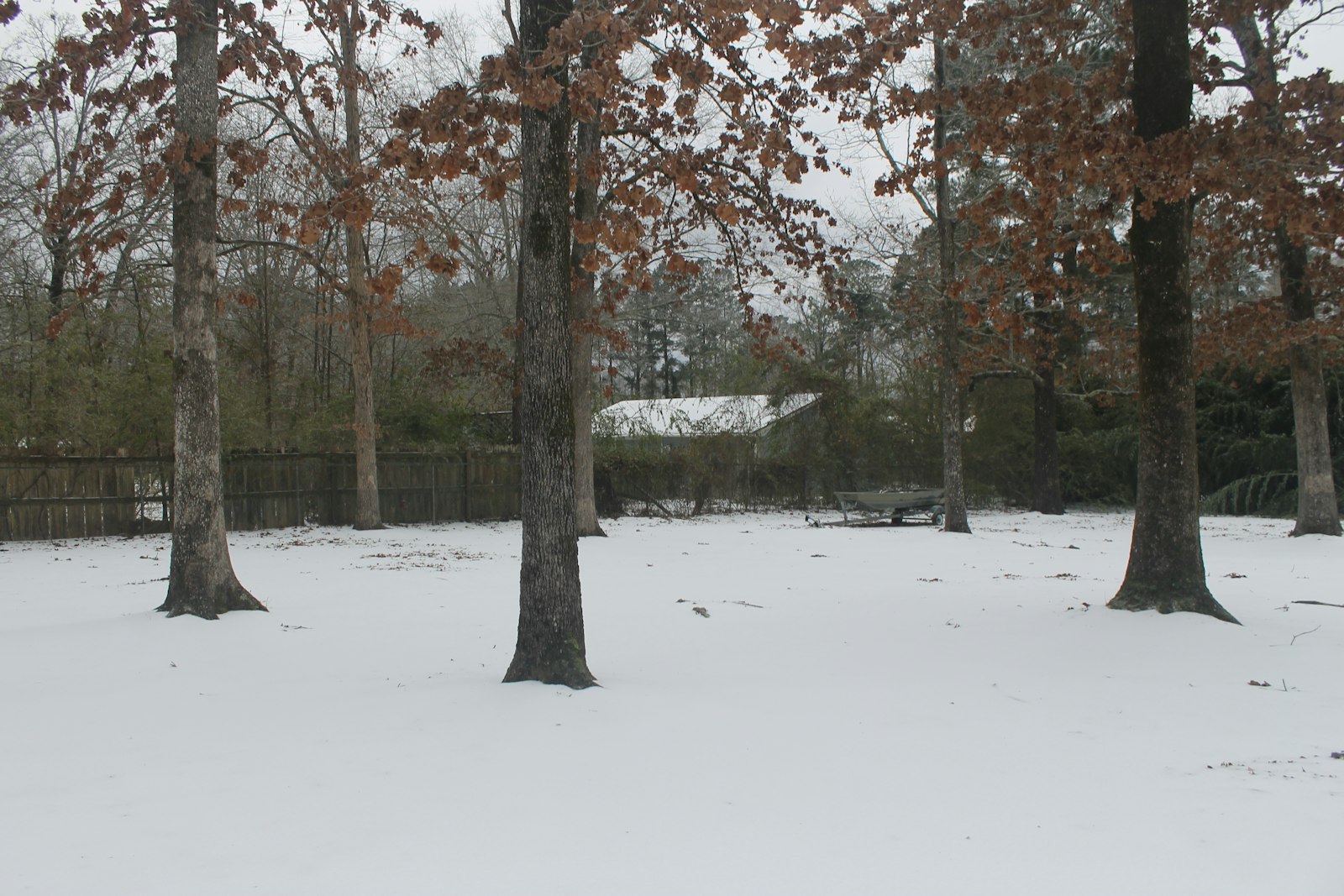
Snow does not harm properly installed artificial grass. The blades lie flat under the weight and stand back up as the snow melts. Because a good install drains freely, melting snow passes through the backing and into the stone base rather than pooling. This is a real advantage over natural lawns in Pickering, which often sit soggy and matted for weeks after a heavy melt, especially in low-lying pockets near Frenchman's Bay and Petticoat Creek.
Frost and freeze-thaw: the real test
Freeze-thaw is harder on the base than on the grass. Pickering swings above and below zero repeatedly in late winter, and that cycle is what heaves poorly built surfaces. This is exactly why the base work matters so much. A deep, well-compacted, free-draining stone base resists frost heave, so the lawn stays flat and level through the swings. Turf laid on a thin or water-holding base, by contrast, can ripple as the ground moves. On the clay soils around Seaton and Duffin Heights, that base depth is not optional.
Can you remove snow from artificial grass?
Yes, you can clear snow from artificial grass, with a few simple precautions. A plastic shovel or a broom is safest. Push snow off rather than scraping down hard, and avoid metal-edged shovels that can catch the fibres. Light snow can simply be left to melt and drain on its own. For a walkway or a spot you use in winter, brushing off the top layer is enough.
Should I use salt or de-icer near the turf?
Avoid piling rock salt directly on the grass. Most quality turf tolerates occasional de-icer, but heavy salt can leave residue in the infill and is better kept to driveways and walkways. If you use a melter near a turf edge, choose calcium chloride or a turf-safe product and rinse the area in spring. Pickering driveways see plenty of road salt in winter, so keeping the bulk of it off the lawn keeps the infill cleaner.
Winter care checklist for Pickering lawns
- Let light snow melt and drain naturally where you can.
- Use a plastic shovel or broom, pushing rather than scraping, for deeper snow.
- Keep rock salt on hard surfaces, not on the turf.
- Do not use metal tools or sharp edges on the frozen surface.
- Give the lawn a rinse and a brush in spring to refresh the fibres after the thaw.
Because it shrugs off the cold, artificial grass keeps areas like a backyard lawn or a playground surface usable and clean long after a natural lawn has turned to mud.
Does artificial grass need winter prep?
Artificial grass needs very little winter prep, which is one of its quiet advantages in Pickering. There is no last mow, no fall fertilizing, and no worry about snow mould killing patches over the winter. Before the first snow, it helps to clear leaves and debris so nothing mats down and decomposes in the fibres, and to check that the drainage points around the lawn are clear. That is essentially it. Through the season you can walk on the lawn, let the kids play on it between storms, and clear snow whenever you want the space back. Come spring, a rinse and a quick brush lift the fibres and wash away any road-salt dust that drifted over from the driveway, and the lawn is ready for another year. Compared with the raking, reseeding, and mud that follow a Durham Region winter on a natural lawn, the difference in spring workload is hard to overstate.
Frequently asked questions
Does artificial grass get brittle in the cold?
No. Quality turf fibres are made to stay flexible in freezing temperatures. They lie down under snow and spring back as it melts, with no cracking or breaking in normal Pickering winters.
Will freeze-thaw ruin my artificial lawn?
Not if the base is built for it. A deep, compacted, free-draining stone base resists frost heave and keeps the surface flat. This is why the sub-base work is the most important part of a cold-climate install.
Is artificial grass slippery when frozen?
It can be firm underfoot when frost or a thin ice layer forms, much like any surface. It is generally less slick than an icy patio, and clearing snow promptly keeps it safe for walking.
Winter-ready turf in Pickering
A lawn that stays green and firm through a Durham Region winter starts with the right base. Call (289) 277-0119 or reach out through our contact page for a free assessment, and we will build a lawn that handles everything Pickering weather brings.